Queue-it Flow
Tracking bot, agent & human web traffic through Queue-it’s orchestration network
Queue-it Flow shows the traffic moving through Queue-it's network: how many visitors Queue-it orchestrates, which bots and AI agents are making requests and why, how much suspicious traffic is challenged or blocked, and how often waiting rooms step in to control access.
The figures are combined across all customers, so they show patterns across the whole network, not any one site's traffic.
It's a window into how online traffic is changing as more AI agents browse the web for people.
Online traffic orchestration provides real-time visibility and control over traffic to web applications. Based on identity, intent, and context, it dynamically routes, filters, or transforms traffic composition to suit business goals, system capacity, and security requirements.
In practice, that means deciding who gets access to your site, when, and under what conditions.
Queue-it gives organizations real-time control over how visitors access websites, apps, and APIs.
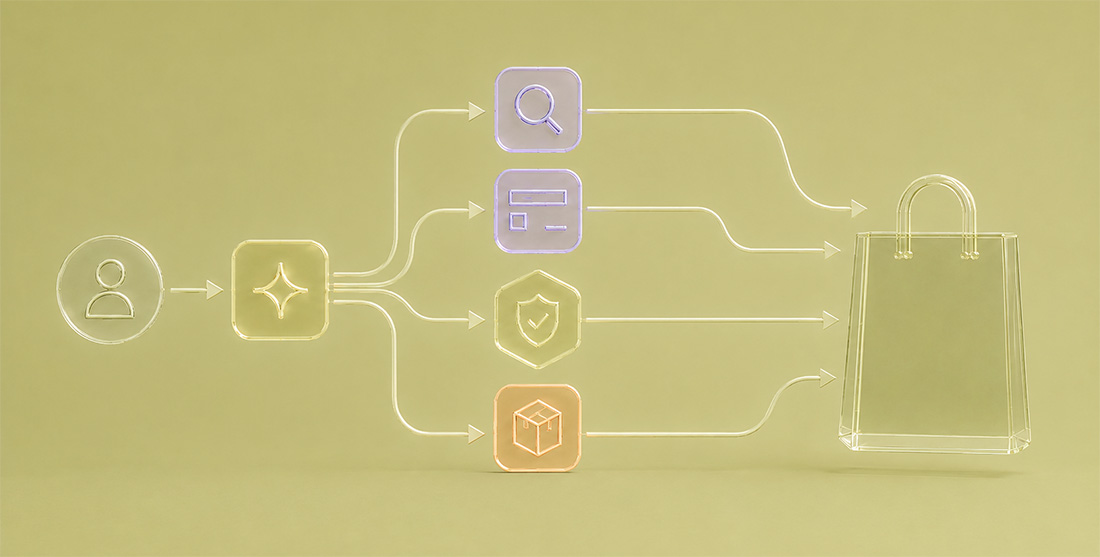
Before traffic reaches critical systems, Queue-it evaluates incoming requests, applies access rules, and, when needed, uses a virtual waiting room to control flow, ensure fairness, and protect performance.
Queue-it protects websites and applies Traffic Access Rules whether visitors are actively being redirected to a waiting room or not.
Much of this protection runs around the clock. Queue-it monitors traffic, protects against bots, and watches for traffic levels that could put the website at risk.
When traffic exceeds the capacity set by the customer, the waiting room activates automatically and begins redirecting visitors. That’s when Queue-it moves from monitoring and protecting traffic to actively controlling how many visitors reach the site.
Queue-it looks at each request using signals like user agent, IP address, network type, and reputation. Requests that look suspicious can be sent a challenge, such as a CAPTCHA or Proof-of-Work check, before they reach the site.
Well-known crawlers and AI agents usually identify themselves in their user agent. Because some bots pretend to be a trusted name to get special access, Queue-it checks a bot's identity against signals like IP and network rather than relying on the user agent alone.
Not all automated traffic is the same, and it shouldn’t all be treated the same way. Broadly, it falls into three groups: good bots, bad bots, and AI agents.
- Good bots include search crawlers like Googlebot and services that generate link previews. Many websites want these bots to have access, but what’s considered “good” depends on your goals. You might welcome crawlers that help your products and content appear elsewhere, while choosing to limit others. It’s also important to verify that trusted bots are really who they claim to be, as bad bots can impersonate them.
- Bad bots include automated traffic used for things like scraping, scalping, abuse, or gaining an unfair advantage. Most organizations want to challenge or block this traffic before it can affect their site or legitimate visitors.
- AI agents are a newer category. Unlike traditional crawlers operating on their own schedule, agents can visit your site on behalf of a person who is waiting for a result. That makes them more like an extension of a human visitor, and potentially worth treating differently.
With Queue-it, you can identify different types of automated traffic and decide what to allow, limit, challenge, or block based on your business goals.
Yes. Queue-it customers get the same kind of insight for their own traffic in the Queue-it platform: which bots and agents are visiting, how much traffic is being challenged or blocked, and when waiting rooms are controlling access.