Queue-it Flow shows the traffic moving through Queue-it's network: how many visitors Queue-it orchestrates, how many are sent to a waiting room, and which bots and AI agents are making requests and why.
The figures are combined across all customers, so they show patterns across the whole network, not any one site's traffic.
It's a window into how online traffic is changing as more AI agents browse the web for people.
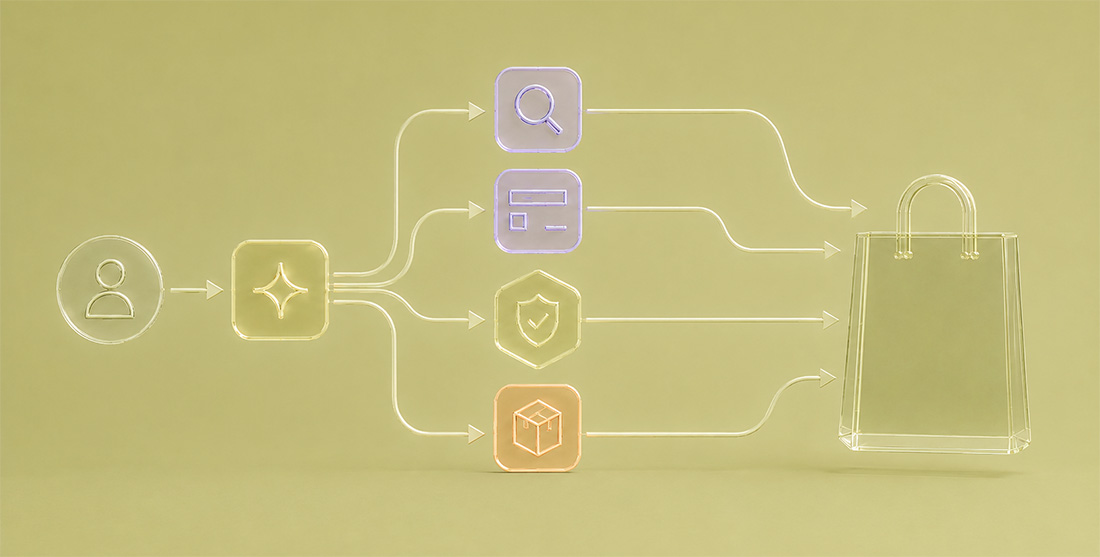
Online traffic orchestration provides real-time visibility and control over traffic to web applications. Based on identity, intent, and context, it dynamically routes, filters, or transforms traffic composition to suit business goals, system capacity, and security requirements.
In practice, that means deciding who gets access to your site, when, and under what conditions.
Queue-it gives organizations real-time control over how visitors access websites, apps, and APIs.
Before traffic reaches critical systems, Queue-it evaluates incoming requests, applies access rules, and, when needed, uses a virtual waiting room to control flow, ensure fairness, and protect performance.
Many waiting rooms work as a safety net that runs round-the-clock. They're set to activate only when traffic goes over a limit the customer has set, so they kick in automatically to protect against system overload when a spike hits.
Until then, visitors go straight through to the site. Queue-it still monitors requests and applies bot protection in the background.
Not all automated traffic is a problem, so the goal is to treat each kind differently, not block everything.
Search crawlers, including the ones behind AI search tools, help people find you. Link-preview bots make your pages look right when someone shares them. Training crawlers and scrapers collect content on their own schedule, so you might limit them or hold them back when capacity is tight. AI agents are different: they fetch a page because someone asked an AI, so a person is waiting for the result.
It also matters whether a bot is who it claims to be. Some requests impersonate a well-known name like Googlebot to get special access, so rules that allow bots based on user agent alone can be risky.
A good approach has three steps: find out what's hitting your site and why, decide which types to allow, limit, or challenge, and make sure your controls don't block people or the automation you rely on.
With Queue-it, you can let trusted bots through and challenge or block the rest, based on signals like user agent, IP, and reputation.